
Published April 17, 2026 | 7 minute read

Published April 17, 2026 | 7 minute read
This scenario plays out in industrial facilities across the Northeast and Mid-Atlantic more often than anyone wants to admit. The problem isn't your equipment, but your partnership strategy, which seemed so logical when someone in procurement decided that consolidating vendors would create efficiency.
Key Takeaways
Many facility managers believe consolidating all equipment purchases and service through one OEM creates simplicity. One point of contact. One service agreement. One invoice.
What they actually create, however, is dependency.
When that single vendor can't meet your emergency response needs, you have nowhere else to turn. When their product line doesn't offer the optimal solution for a specific application, you’re forced to make compromises. When their parts’ availability suffers or their service quality declines, your operations suffer with them.
You've traded flexibility for the illusion of convenience.
Here's the principle that should drive every equipment decision: Application requirements matter more than vendor relationships. Not sometimes. Always.
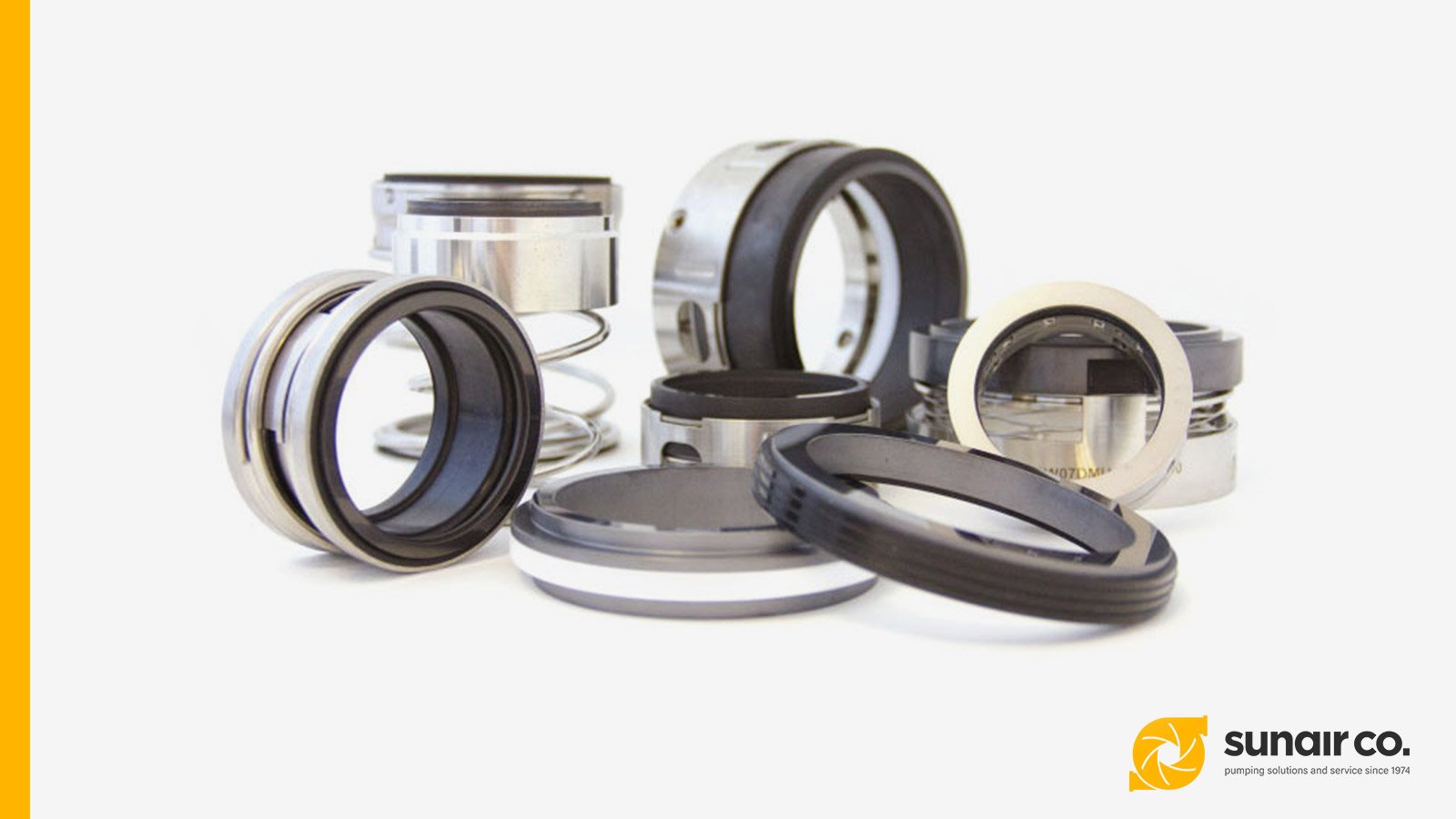
The best pump for a boiler feed application might come from Sundyne. The optimal solution for seal repair might be AESSEAL. Your chemical processing requirements might call for Sulzer CPE ANSI pumps that exceed ASME B73.1 requirements and are designed to deliver the highest efficiency ratings in the ANSI process pump market.
Trying to force one manufacturer's product line to cover every application means accepting suboptimal performance somewhere.
Industrial pump distributor and service provider Sunair, for instance, maintains factory-authorized partnerships with manufacturers including Sundyne, SEEPEX, AESSEAL, Sulzer, and Royal Purple. This isn't just access to multiple product catalogs. Factory-authorized service means Sunair is officially recognized by these OEMs to perform repairs and maintenance on their behalf using OEM standards and parts.
You get the manufacturer's warranty protection and technical support, but you're not locked into a single vendor's response times, parts availability, or application limitations. Factory authorization across multiple manufacturers means you can select the truly optimal solution for each application rather than settling for what one vendor offers.
Factory-authorized service isn't the same as being an equipment distributor; the distinction matters more than most facility managers realize. Authorization requires meeting specific manufacturer standards for technical training, parts inventory, service capabilities, and quality control.
Sunair's technicians complete OEM training programs for each manufacturer's line we support. We maintain OEM-specified parts inventory at our Pennsylvania facility, and our repair procedures follow manufacturer specifications exactly.
The Sunair difference resides in response time and flexibility. Sunair has served Northeast and Mid-Atlantic industrial facilities for more than 50 years. We understand the regional demands, the seasonal pressures, and the emergency response requirements that facilities in Pennsylvania, Delaware, West Virginia, Washington D.C., Maryland, and New Jersey face.
You get factory-authorized expertise with local service commitment.
This doesn't mean multi-OEM partnerships work for every facility in every situation. Small operations with simple equipment portfolios might genuinely benefit from consolidation. For facilities running diverse equipment across multiple processes—which describes most industrial operations in the Northeast and Mid-Atlantic—the flexibility of multi-OEM partnerships consistently outperforms single-vendor constraints.
Emergency response needs don't respect vendor management strategies. Your primary OEM can't dispatch a technician for 48 hours. A factory-authorized alternative with local presence can respond the same day, perform repairs using OEM standards and parts, and maintain your warranty protection. The equipment doesn't care which authorized service provider performs the repair. Your production schedule certainly cares about the 48-hour difference.
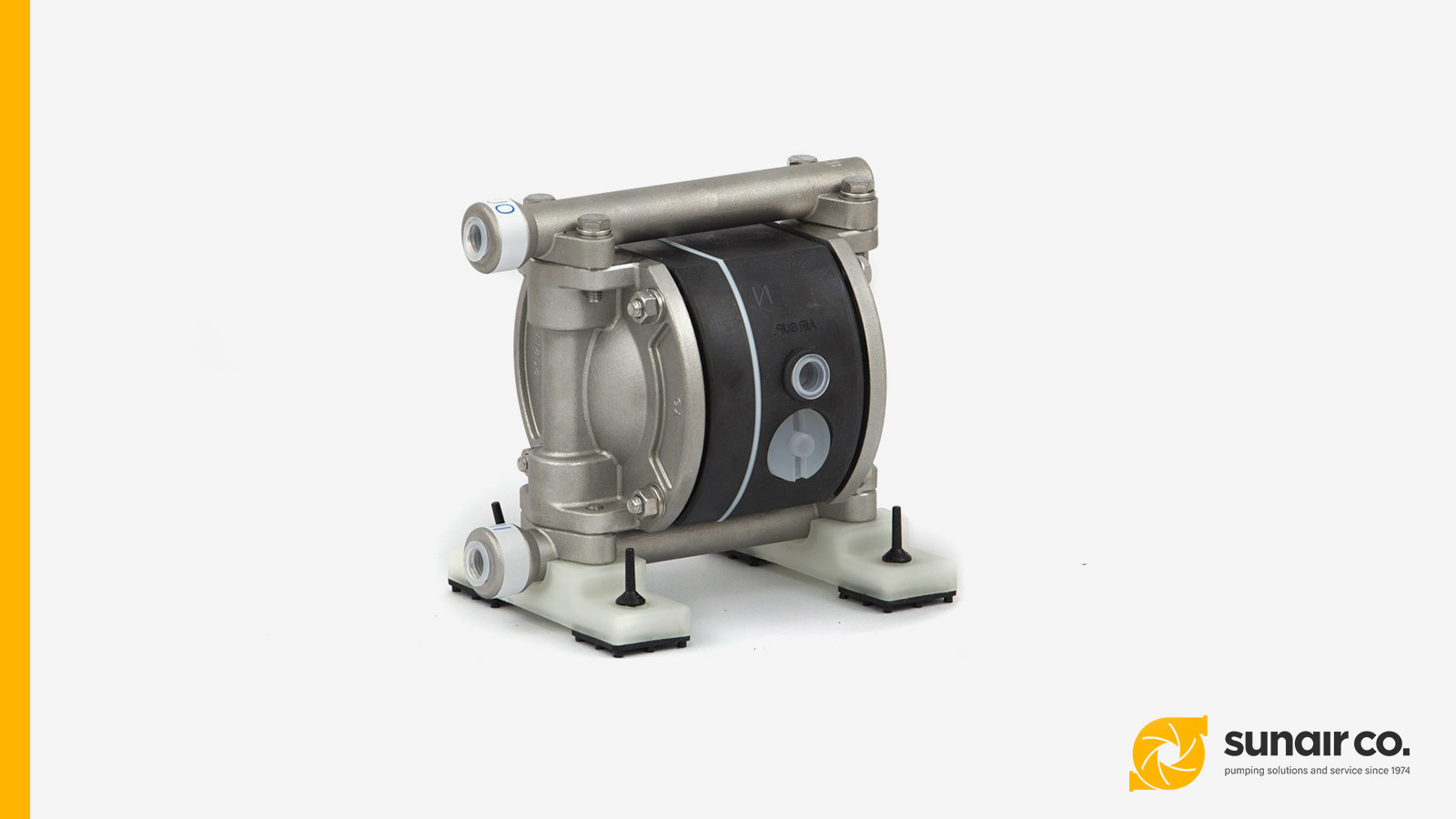
Technology evolution creates situations where newer manufacturers develop superior solutions. The progressive cavity pump technology in SEEPEX equipment, for instance, surpasses aging Moyno designs in efficiency and serviceability—this isn't marketing rhetoric, but measurable in flow consistency and maintenance intervals.
Parts availability becomes increasingly problematic as equipment ages. Your 20-year-old pump that's performed reliably suddenly becomes a liability, not because it failed, but because the replacement impeller now has a six-week lead time. Factory-authorized partnerships with multiple manufacturers mean you can source compatible replacements or access parts inventory that single-vendor relationships can't provide.
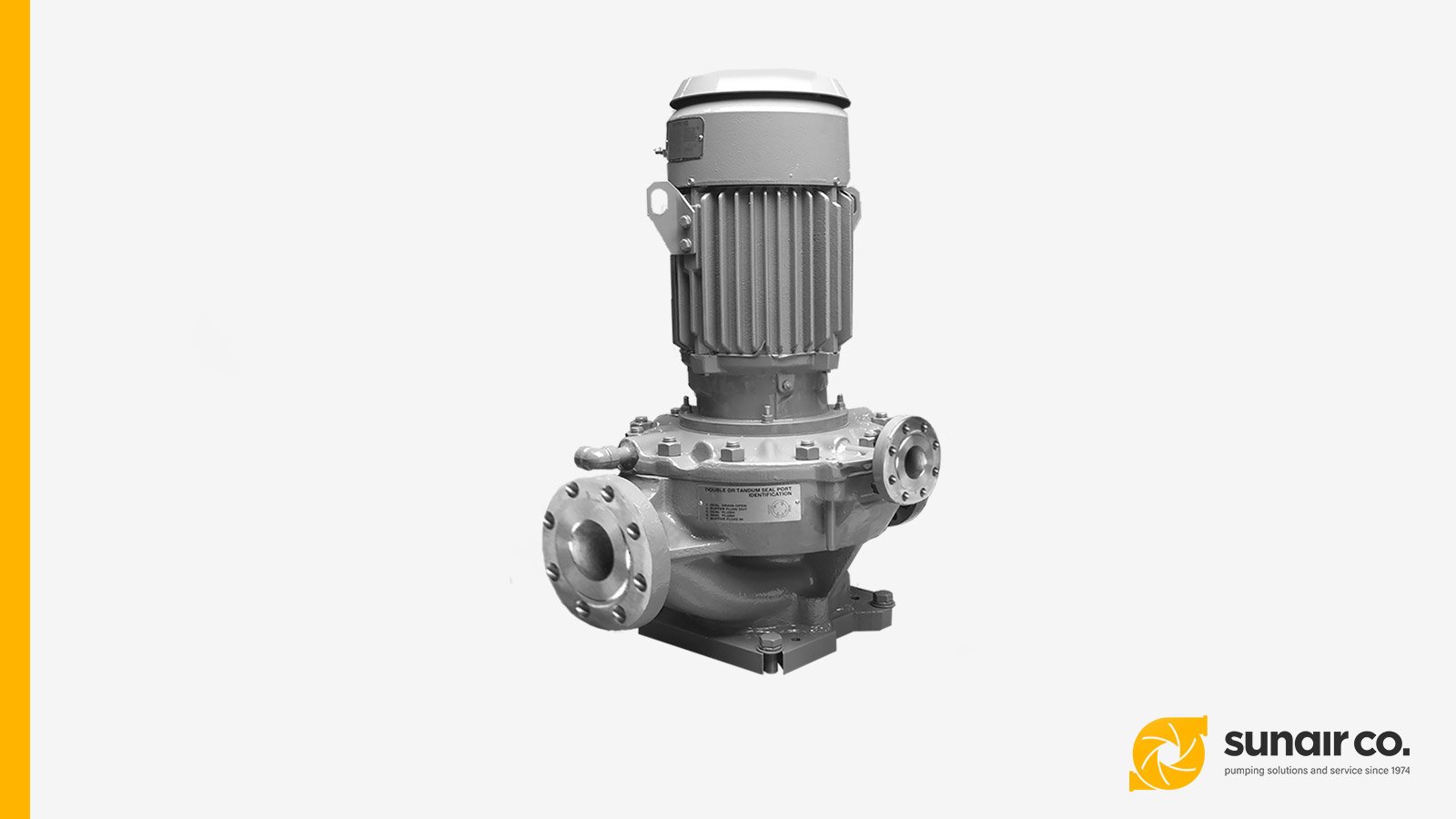
Consider a scenario where a food processing facility in Central New Jersey runs 30-year-old Grundfos CR 32-4 vertical multi-stage pumps across three production lines. When one pump fails during peak holiday production season, the facility manager faces an impossible choice: Halt Line 2 and miss delivery commitments, or jury-rig a temporary fix that violates their SQF certification requirements.
A multi-OEM partnership creates a third option. Replace the most problematic units with modern alternatives from DP Pumps, Franklin Electric, Thomas Pump or Barmesa that offer compatible configurations with 15%-20% better energy consumption. Maintain the Grundfos equipment that's still performing well. Source parts through factory-authorized channels that maintain broader inventory.
The facility optimizes performance and cost simultaneously.
Consider a chemical plant that experiences a mechanical seal failure on a critical process pump during a weekend production run. The contracted OEM is slow to respond, risking an entire weekend of costly downtime.
In contrast, plants that build relationships with multiple qualified service partners can respond immediately to mobilize field service, source components,and restore operation far more quickly. This flexibilty and speed of response reduces operational risk.
The equipment specifications matter. The application requirements matter. The response time matters. Brand loyalty on its own doesn't solve operational problems.
Evaluating multi-OEM service partners requires looking beyond price and availability. Factory authorization is non-negotiable; the partner must maintain official recognition from the OEMs whose equipment they'll service, complete required training programs, stock OEM-specified parts, and follow manufacturer repair procedures exactly.
Geographic proximity affects emergency response capabilities. A factory-authorized partner three states away offers theoretical flexibility but limited practical advantage during urgent situations. Regional expertise matters in the Northeast and Mid-Atlantic, where seasonal demands and climate considerations create unique operational pressures.
Technical depth across multiple product lines demonstrates genuine multi-OEM capability. Partners such as Sunair, who maintain focused factory authorizations with established manufacturers including Sundyne, AESSEAL, SEEPEX, and Sulzer, can provide the technical depth each product line requires without diluting expertise.
Single-vendor relationships create the illusion of simplicity while limiting your strategic options. Multi-OEM partnerships through factory-authorized experts deliver best-of-breed solutions for every application, emergency response flexibility, and cost optimization without sacrificing quality or warranty protection.
Sunair has maintained factory-authorized partnerships with leading manufacturers for more than 50 years, serving industrial facilities throughout the Northeast and Mid-Atlantic with the technical expertise, parts inventory, and responsive service that operational performance demands.
Don't limit your operations to single-vendor solutions. Contact Sunair to learn how our factory-authorized partnerships can enhance your equipment performance and reduce costs. Let our multi-OEM expertise work for your operational advantage.


Leave a comment