Published December 24, 2025 | 7 minute read


Published December 24, 2025 | 7 minute read
In July, President Donald Trump signed into law the One Big Beautiful Bill Act (OBBB). This has reverberated throughout the clean energy industry, causing everyone from plant managers and facility executives to project engineers and sustainability directors to reexamine their business strategies completely. Tax provisions have undergone significant changes, and companies must adapt accordingly.
Being proactive is the difference between leadership and falling behind. That’s especially apparent in the clean energy transition happening in the Mid-Atlantic, which is becoming even more of a major center for hydrogen and ammonia production.
So, how is your facility preparing for these sweeping changes to hydrogen and ammonia infrastructure? Are you confident you have the right equipment?
Due to changes to Section 45V of the law, also known as the Clean Hydrogen Production Credit, the runway is much shorter now for hydrogen and ammonia facilities—introducing more uncertainties into the renewable energy industry.
Previously, qualified facilities could depend on a 10-year tax credit for producing clean hydrogen after 2022. The new law accelerates the sunset for the Clean Hydrogen Production Credit: New projects must begin construction by Dec. 31, 2027 to qualify (five years earlier than the IRA schedule). That compresses development timelines for green and blue H₂ and raises the bar on near-term project readiness.
The ecosystem for renewables has suddenly become less generous, as well.
The OBBB accelerates phase-outs of the technology-neutral clean power credits in sections 45Y and 48E of the law. Because most green hydrogen needs a new renewable supply to hit low carbon intensity (CI) scores, this could squeeze power supply availability and pricing—especially in Pennsylvania, New Jersey, and Maryland (PJM).
The Department of Energy’s Mid-Atlantic hub has survived recent cuts, for now, but local reporting continues flagging funding risks. In other words, private projects should not assume hub dollars in their base case.
It’s not all doom and gloom, however. As a result of the OBBB, the federal government just made a significant move that should get the attention of anyone considering hydrogen or ammonia production projects.
Through Section 45Q of the tax code, companies that capture carbon dioxide from industrial facilities can earn tax credits for every metric ton they either store underground or put to productive use. What changed recently is that the government increased the tax credit for using captured carbon in commercial applications from $60 per metric ton to $85 per metric ton, matching what was previously only available for permanent underground storage.
This means that blue hydrogen and blue ammonia producers who capture carbon dioxide as part of their processes can now earn the same generous tax credit whether they store that carbon or find commercial uses for it, and these enhanced credits apply to any equipment placed in service after July 4, 2025.
The timing also creates a compelling opportunity for forward-thinking facility managers and engineers in the Northeast. Projects that begin construction before Jan. 1, 2033, can claim these credits for 12 years after their equipment starts operating, providing substantial financial support that improves project economics considerably.
For hydrogen and ammonia production facilities that integrate carbon capture technology, this enhanced credit structure removes a previous disadvantage for carbon utilization projects and makes the overall investment case much stronger. The window is open now, but it will not stay open indefinitely, which means companies evaluating these projects today are positioned to capture both the environmental benefits of cleaner production and the financial advantages of these federal incentives.
Region and location matter. Fortunately, for hydrogen and ammonia facilities operating in the Mid-Atlantic, there’s no better place to be.
The U.S. Department of Energy has committed up to $750 million to develop hydrogen production and distribution infrastructure across Pennsylvania, Delaware, and New Jersey. And despite recent cuts to similar projects elsewhere in the United States, it remains on track. This hub, also known as MACH2 (Mid-Atlantic Clean Hydrogen Hub), represents one of the largest federal clean energy investments to ever impact the Mid-Atlantic.
MACH2 plans to develop hydrogen production facilities using renewable energy and nuclear power with electrolyzer technologies, plus a steam methane reforming facility using renewable natural gas. The hub will build new pipelines, truck-loading facilities, hydrogen trailers, and fueling stations to connect producers with end users, including heavy-duty trucks, buses, and industrial facilities.
Major Equipment Procurement Wave: These hydrogen production facilities require specialized equipment, including:
Carbon Capture Connection: The hub's steam methane reforming facilities will need amine circulation pumps, CO₂ compressors, and seal systems for carbon capture—equipment that qualifies projects for enhanced Section 45Q tax credits.
Long-Term Service Needs: With MACH2 targeting 1 million metric tons of annual carbon reduction, facilities need reliable service partners who understand hydrogen applications, respond quickly to maintenance needs, and maintain specialized parts inventory.
This hub is part of a regional ecosystem that will enhance operations for any plants investing in hydrogen and ammonia manufacturing. The earlier your facilities get in and begin adopting, the better off you’ll be.
The difference between a hydrogen or ammonia facility that meets its production targets and one that struggles with downtime often comes down to a single factor: selecting the right pumps and compressors from the start.
Hydrogen and ammonia applications demand equipment that can handle extreme pressures, corrosive fluids, and zero-tolerance leak requirements. A standard industrial pump simply won't cut it when you're dealing with electrolyte solutions, high-purity hydrogen compression, or ammonia synthesis at elevated temperatures. The wrong equipment choice doesn't just mean maintenance headaches—it can jeopardize your entire project timeline and ability to qualify for those critical tax credits.
For more than 50 years, Sunair has served industrial facilities throughout the Northeast and Mid-Atlantic with specialized pumping and compression solutions. Through our partnership with Sundyne—a pioneer in hydrogen and ammonia production equipment—we bring proven technology specifically engineered for the full spectrum of hydrogen applications: from production and processing to refueling stations and pipeline transportation.
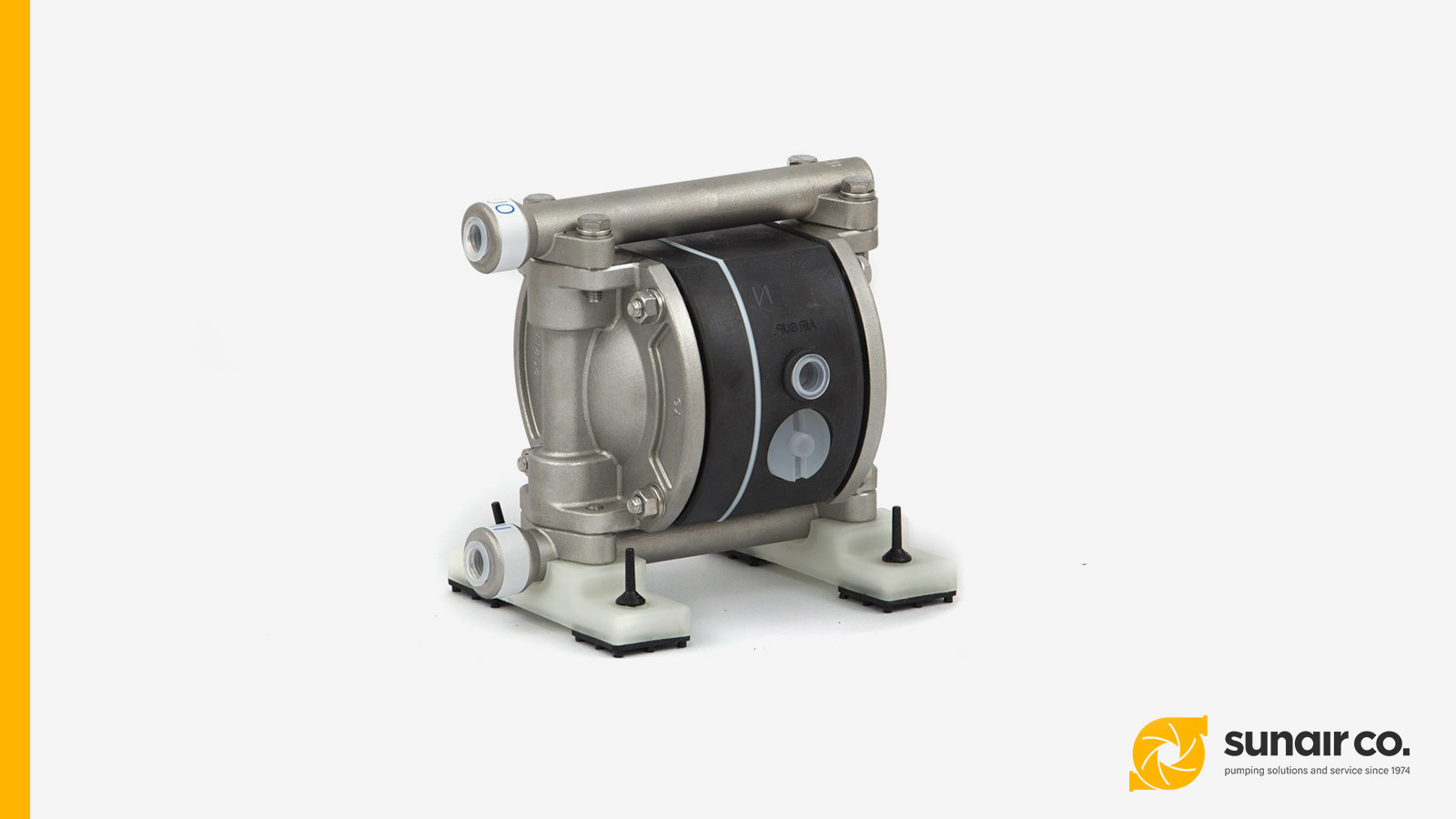
Sundyne's equipment portfolio addresses every critical stage of hydrogen and ammonia production:
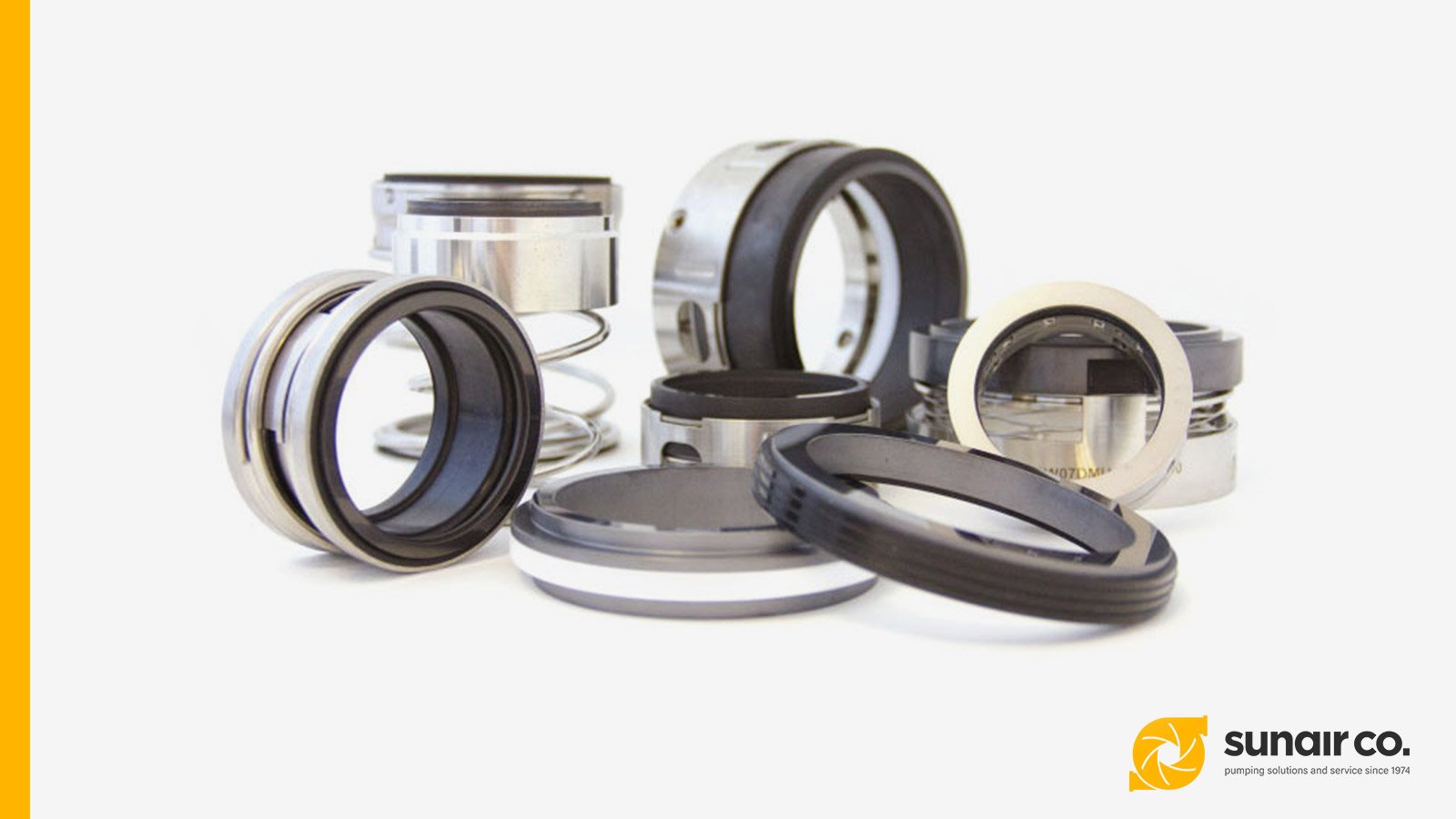
What sets Sundyne equipment apart is its focus on the two factors that matter most in hydrogen and ammonia applications: safety and product purity. Sundyne's PPI diaphragm compressors feature triple diaphragm sets with static seals that ensure process gas never contacts hydraulic oil—delivering absolute process purity critical for fuel cell applications. Their HMD Kontro and Ansimag sealless magnetic drive pumps eliminate the mechanical seals that cause 85% of pump failures, providing complete fluid containment with zero emissions.
For fuel cell applications where even slight contamination can ruin the process, or ammonia plants where safety regulations demand leak-proof operation, Sundyne's API-compliant engineered solutions deliver the performance these applications require. All equipment meets stringent industry standards including API 610, API 617, API 618, and ASME specifications—certifications that matter when your facility's safety and production targets are on the line.
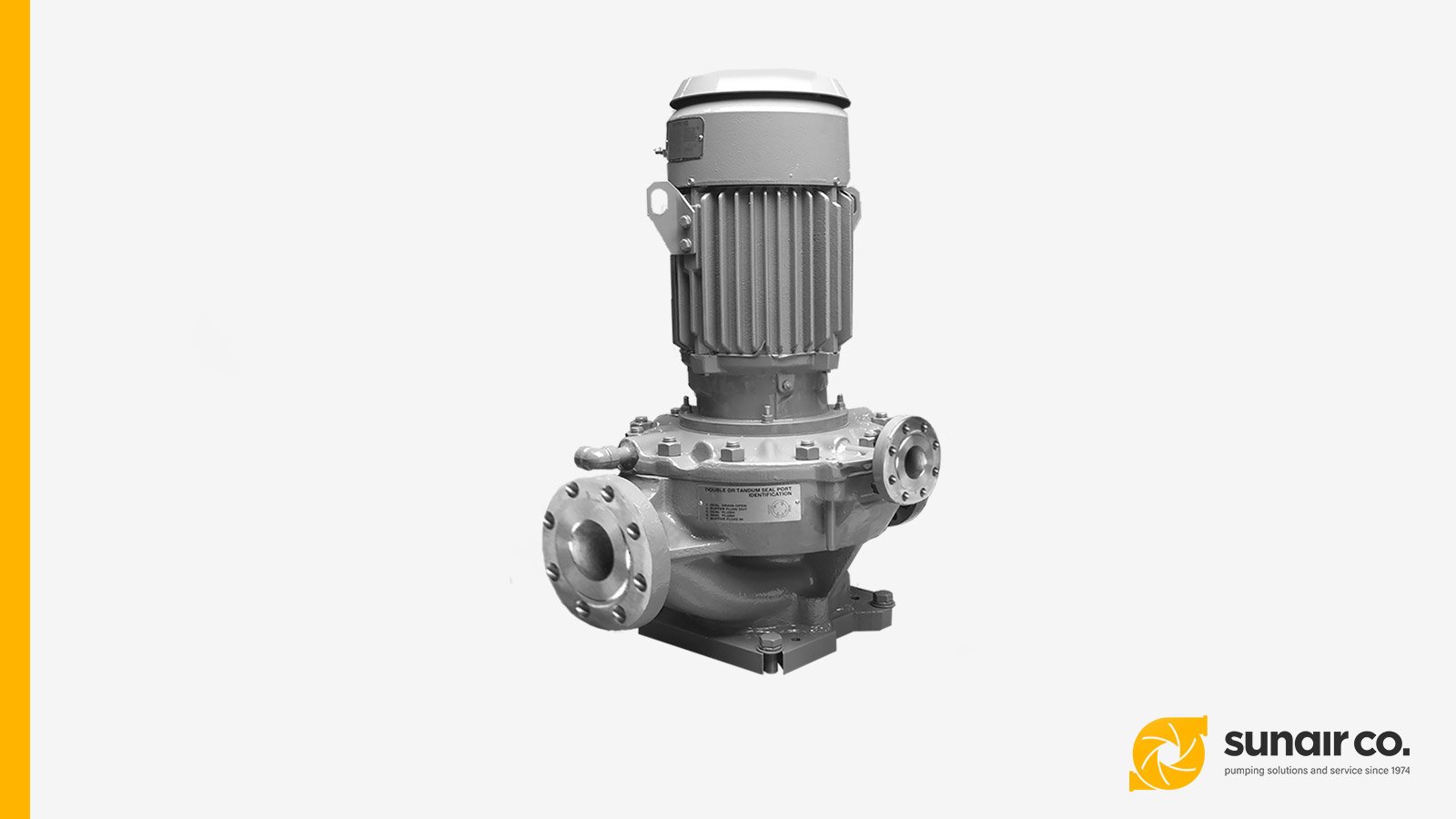
Selecting equipment for hydrogen and ammonia facilities isn't a catalog exercise. Engineers must account for NPSH requirements, material compatibility with corrosive fluids, temperature extremes from cryogenic to 650°F, pressure ratings up to 5,000 psi, and the unique flow characteristics of these applications. Sundyne's LMV integrally geared pumps, for example, achieve high heads with a single impeller running at optimized speeds—producing the same performance as conventional multi-stage pumps while reducing installation costs and simplifying maintenance.
This level of optimization requires deep application knowledge and decades of field experience. That's why facilities throughout the Northeast rely on Sunair not just as an equipment supplier, but as a technical partner who understands both the equipment and the applications. As a factory-authorized service center, we provide comprehensive support throughout your equipment's lifecycle—from initial selection and commissioning through ongoing maintenance and emergency response.
The 2027 construction deadline for Clean Hydrogen Production Credits is closer than it appears. Between permitting, engineering, equipment procurement, and construction, successful projects need 18-24 months of lead time. Facilities that begin their planning and equipment selection process now will be positioned to meet deadlines and capture incentives.
Those who wait may find themselves on the wrong side of the cutoff.


Leave a comment